The Pure Flavor of Uji: Inside Japan's Living Culinary Tea Tradition
Stepping into the mist-veiled hills south of Kyoto, where nineteenth-generation tea masters cultivate shade-grown Gyokuro and vibrant stone-ground matcha.
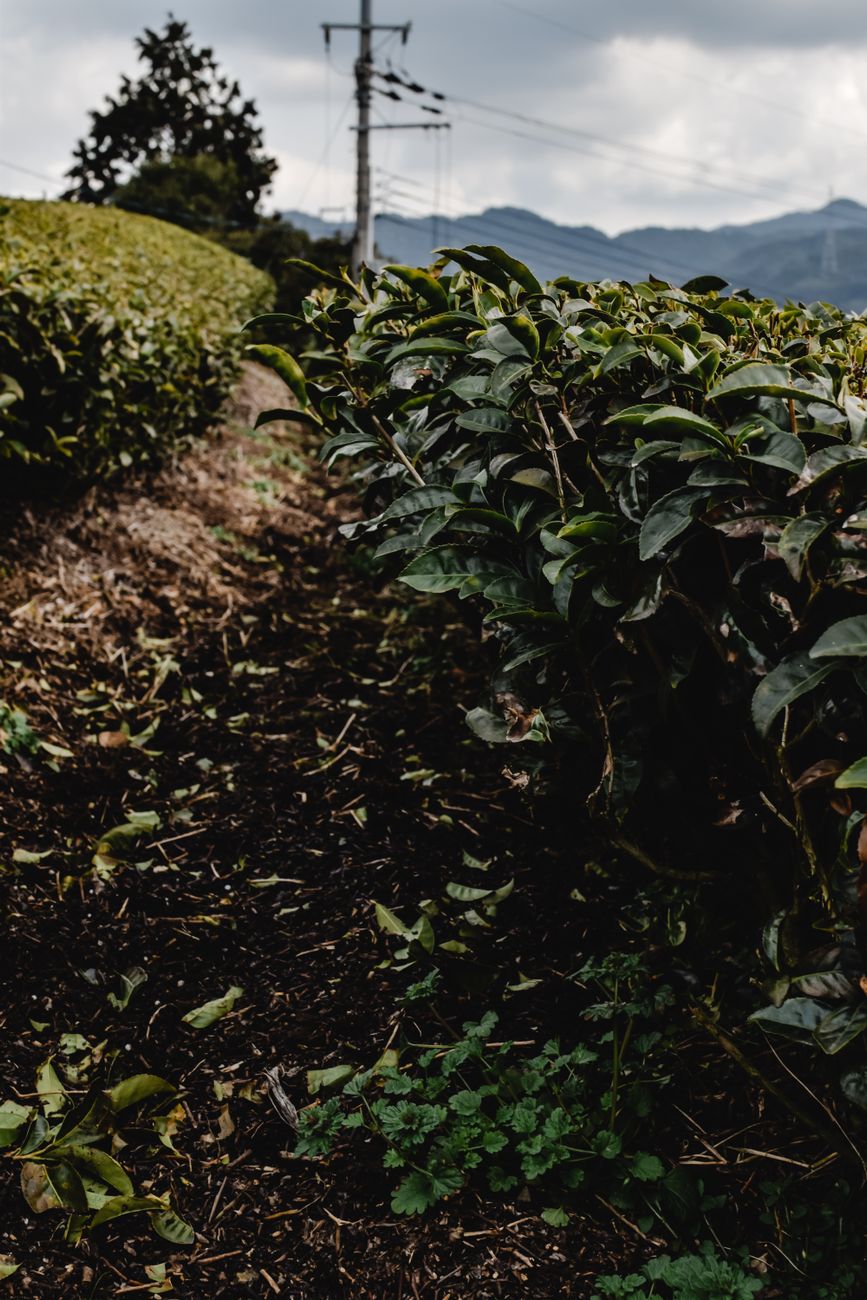
The morning train from Kyoto Station winds through southern suburbs before stopping at Uji. As the doors open, a subtle aroma of roasted stems and toasted bancha wafts over the platform. Here, tea is neither a commodity nor an afterthought; it is the civic pulse.
The Art of Shading (Honzu)
Three weeks before spring harvest, traditional growers erect frames of woven reeds and straw over the camellia sinensis bushes. This ancient technique restricts direct sunlight, forcing the plants to produce intensely high levels of theanine and chlorophyll, resulting in extraordinary umami and natural sweetness.
"When you taste tea grown under straw shading, you are tasting patience. You cannot rush the plant to give what it has not meditated upon."
In modern factories, synthetic black tarp has replaced reed mats, but in the historic hamlets of Uji, a dedicated group of artisanal producers preserve the laborious honzu straw method to protect botanical integrity.
Visiting with Respect
A traveler visiting Uji must proceed with humility. The oldest tea houses along the Uji River date back to the 16th century, having served shogun generals and cultural dignitaries.
- Etiquette Note: Photography during private tea services should always be preceded by polite permission.
- Seasonal Window: May for fresh shincha harvest, or late November for autumn foliage reflecting upon the river.
- Essential Experience: Stone-milling tencha leaves by hand into microscopic matcha powder.
Curate a Japanese Culinary Journey
Our private travel concierge secures intimate access to historic tea houses, pottery kilns, and private garden pavilions across the Kansai region.
Discuss Your Itinerary